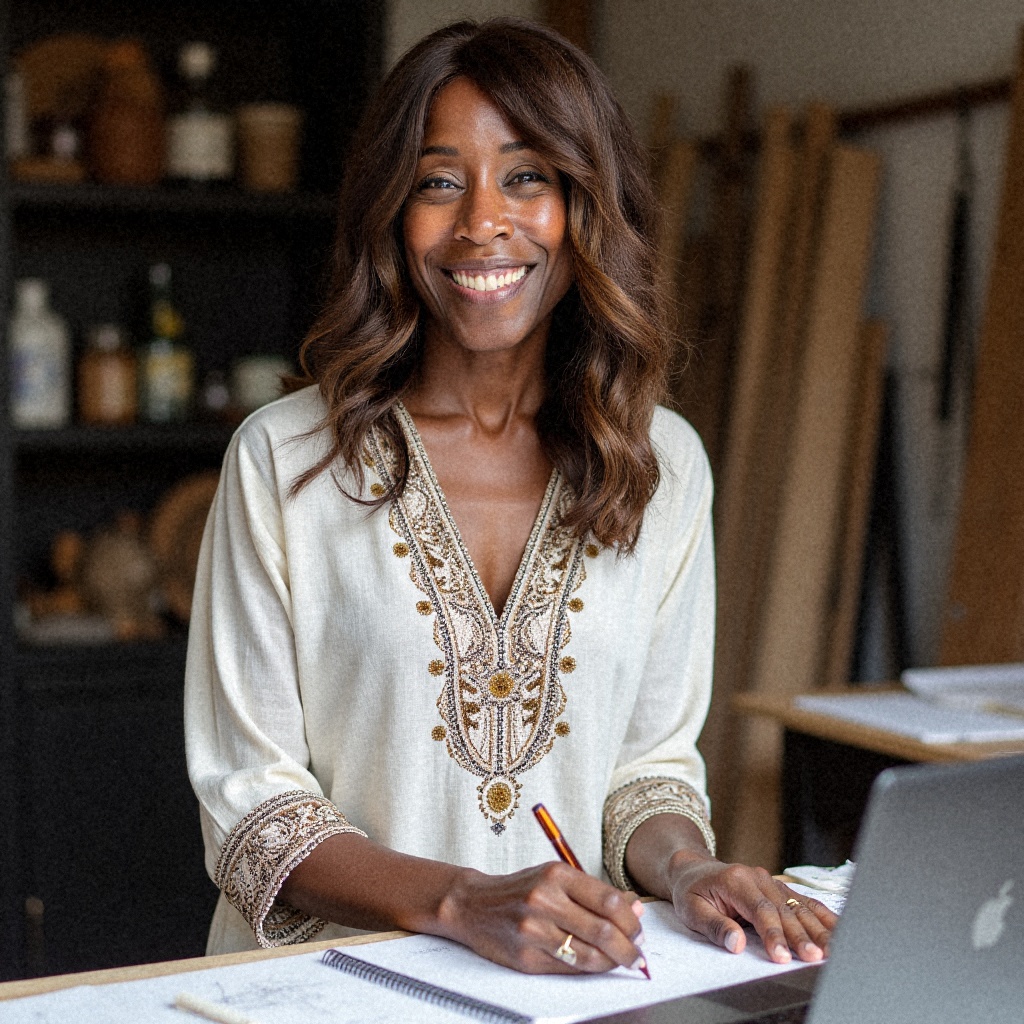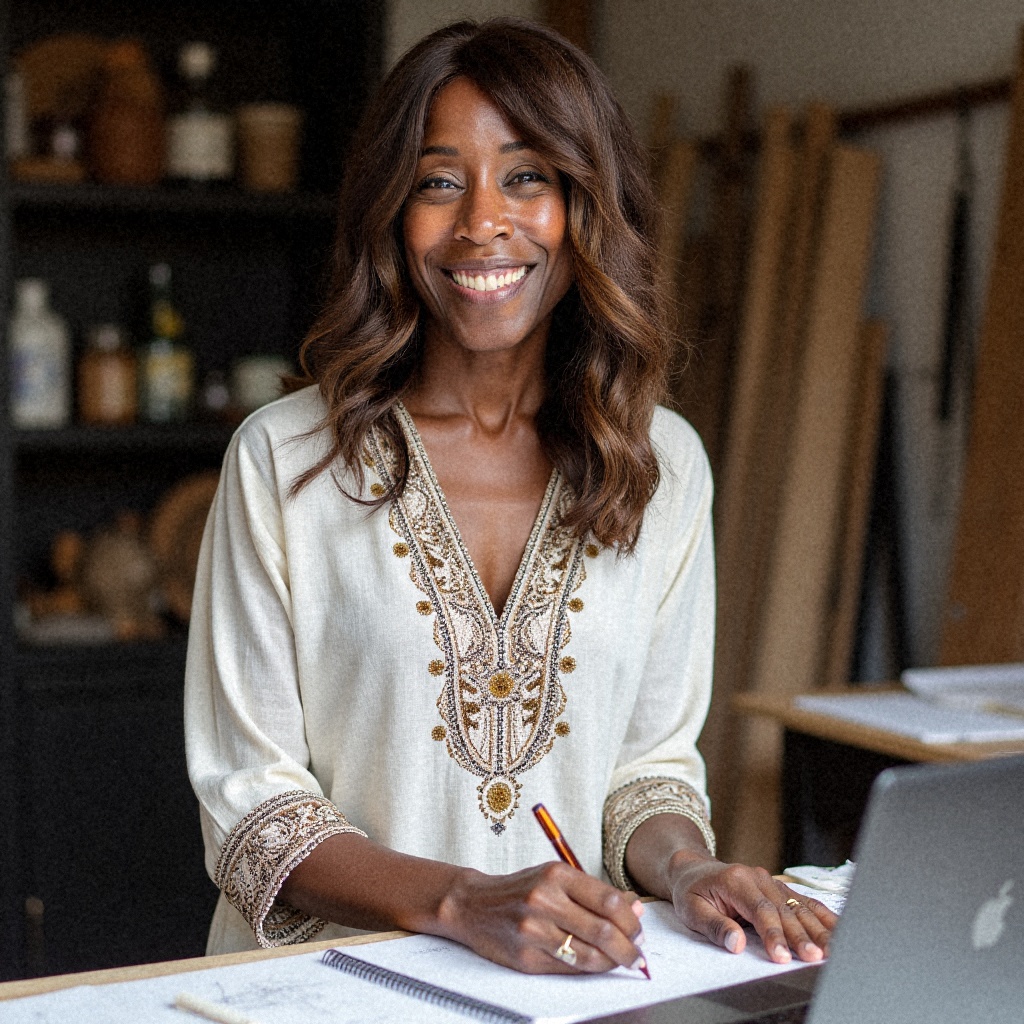
The Camera-Ready Woman: How I Prepare for a Video Shoot
The most important thing I do before I show up on camera has nothing to do with lighting, makeup, wardrobe, or technology. The most important thing I do is remember that I am loved.
This sounds strange as preparation for a video shoot. It is not the kind of advice you will find in articles about on-camera presence or content creation best practices. But it is the foundation upon which everything else rests, and without it, no amount of professional lighting or perfect makeup will produce the kind of presence that makes people want to listen.
When I sit down in front of the camera knowing that I am loved by my friends, by my family, by Apollo who is usually lying at my feet while I record, by the clients whose lives have been changed through our work together, and by God who has guided me to this exact moment and this exact work, I show up differently than when I am thinking about how I look or whether my content is good enough or what people will think.
When I know I am loved, I am not performing. I am present. When I know I belong to my life, I show up with passion and warmth rather than with the self-conscious energy of someone who is trying to prove she deserves to be there. Everything flows from this knowing. The confidence, the warmth, the ease, the authority—all of it comes from feeling held by love rather than driven by the need for approval.
That is where camera readiness begins. Not with the ring light. With the love.
The Inner Preparation
Before I think about what I am going to wear or how my hair looks, I spend time in my morning ritual. Meditation, journaling, time at my altar. This is not optional preparation. This is the foundation that determines whether I show up on camera as myself or as a performance of myself.
During my meditation, I connect with my Higher Self and ask for guidance about what wants to come through in today's content. I do not script every word in advance because scripted content feels scripted and my audience can tell the difference. But I do set an intention for what I want to communicate and how I want the viewer to feel when she watches.
During my journaling, I write about whatever is present for me that day. Sometimes what I journal about becomes the content itself because the most compelling video content comes from what is alive and real in the moment rather than from topics I think I should be covering.
And at my altar, I light a candle and take a few minutes to ground myself in gratitude. Gratitude for the work I get to do. Gratitude for the women who will watch this content and feel less alone because of it. Gratitude for the technology that allows me to sit in my apartment in Paris and reach women all over the world who need what I have to offer.
By the time I move into the physical preparation, I am already grounded, aligned, and connected to the purpose behind the content I am about to create. This inner preparation is invisible on camera, but it is the reason that what is visible on camera feels authentic rather than manufactured.
The Physical Preparation
Once the inner work is done, I move into the physical preparation, which I treat as an extension of the same self-honoring practice rather than as a separate, more superficial activity.
I shower and do my skincare ritual with the same intentionality I bring to every morning, paying attention to the sensations, taking my time, treating my body with care. This is not about achieving a particular look. It is about arriving at the moment of filming already feeling nourished and attended to rather than rushed and neglected.
Hair comes next, and I have learned through experience what works on camera and what does not. Hair that looks fine in person can look flat or shapeless on video, so I give it slightly more volume and definition than I might for a regular day. I make sure it is out of my face so that my expressions are fully visible, because facial expressions communicate as much as words on camera and anything that obscures them diminishes the connection with the viewer.
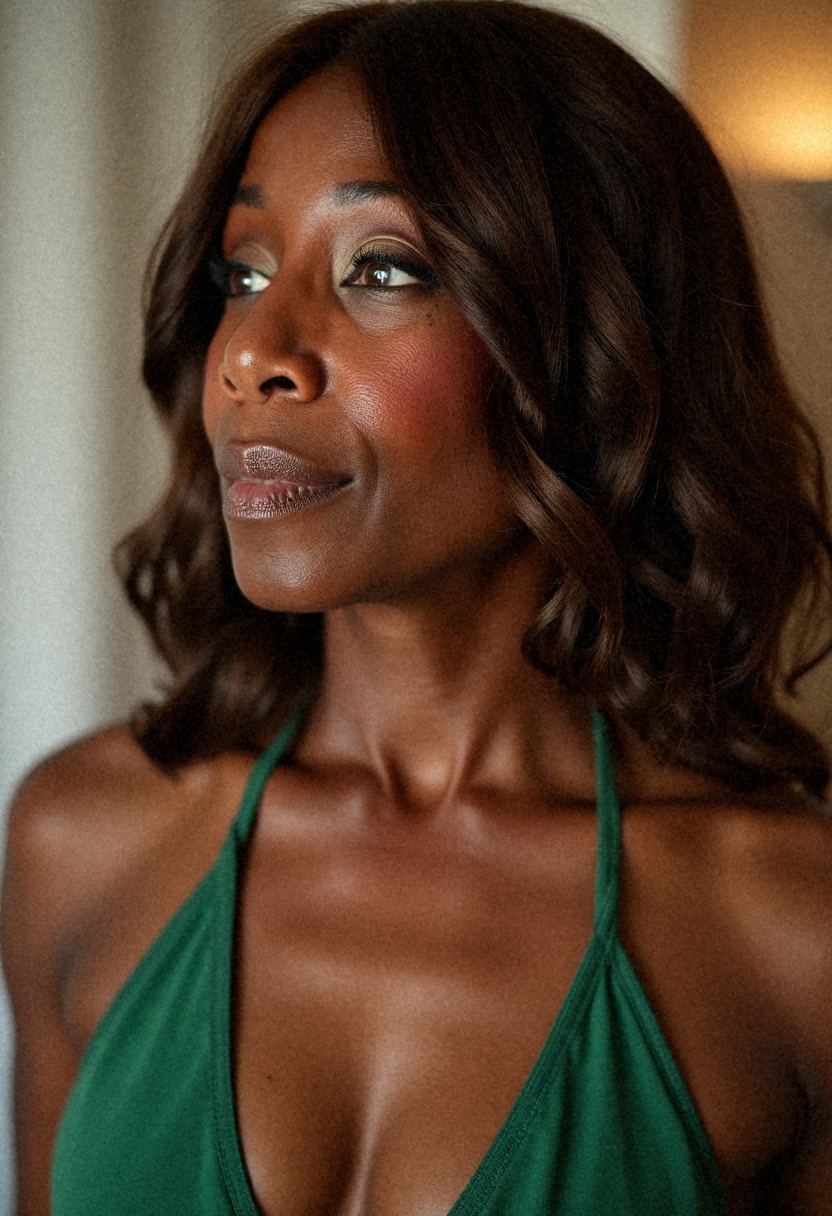
Makeup for video is different from makeup for daily life, and learning this distinction took time and experimentation. Camera and lighting tend to wash out features, so I apply makeup with slightly more definition than I would normally wear. Brows are filled in clearly because they frame the eyes and give structure to the face on screen. Eyes have enough definition to read on camera without being dramatic. Skin is evened out but not heavily covered because heavy foundation looks obviously made up on video and undermines the authenticity I am trying to communicate.
The goal with on-camera makeup is not to look made up. The goal is to look like yourself at your most rested and vital. The viewer should not notice the makeup. She should simply feel that you look healthy, present, and alive.
Wardrobe for the Camera
Choosing what to wear on camera is a strategic decision as much as an aesthetic one. I keep a rotation of tops that I know work well on video because I have tested them and seen the results. Not everything that looks good in person translates well to camera, and learning which pieces work required trial and error that I wish someone had helped me navigate sooner.
Solid colors work better than patterns on camera. Patterns, especially small or busy ones, create visual noise that distracts from your face and your message. Jewel tones and rich colors tend to read beautifully on camera and communicate warmth and authority. Pure white and pure black can cause exposure problems with certain lighting setups, though both can work with the right adjustments.
Necklines matter more on camera than in person because the frame typically captures you from the chest up. A neckline that frames your face well, that creates a clean line without being distracting, and that allows for a necklace or scarf if you want one makes a significant difference in how polished and intentional you appear.
I also consider what my wardrobe communicates about my brand. Every piece of clothing I wear on camera is a visual representation of who I am and what my business stands for. The colors, the quality, the style, the fit—all of it should be consistent with my brand identity and with the level of professionalism and intentionality that I want my audience to associate with my work.
I lay out my on-camera wardrobe the night before filming so that I am not making decisions about it in the moment. Decision fatigue is real, and I want all of my creative energy available for the content itself rather than depleted by wardrobe deliberation.
The Technical Setup
The technical elements of video production matter more than most coaches realize, and investing in a few key pieces of equipment made a dramatic difference in the quality of my content.
A ring light was one of the best investments I have ever made for my business relative to its cost. Good lighting transforms how you look on camera. It eliminates shadows, evens out skin tone, creates a professional quality that immediately distinguishes your content from the dimly lit, unevenly shadowed videos that most coaches produce with whatever ambient light happens to be available.
I position my ring light directly in front of me, slightly above eye level, so that the light falls evenly across my face. If I am filming near a window, I face the window so that natural light supplements the ring light rather than competing with it. I never film with a window or strong light source behind me because that creates a silhouette effect that makes my face dark and unreadable.
A good microphone matters as much as good lighting, possibly more. Viewers will tolerate imperfect video quality far longer than they will tolerate poor audio. I use an external microphone rather than the built-in microphone on my computer because the difference in audio quality is immediately noticeable. Clear, warm audio communicates professionalism and makes the viewing experience comfortable. Tinny, echoing, or muffled audio communicates amateur production regardless of how good the content is.
Camera positioning also matters. I position my camera at eye level so that I am looking directly into the lens, which creates the feeling of eye contact with the viewer. Looking down into a laptop camera that is positioned below your face creates an unflattering angle and a subtle feeling of being looked down upon. Looking up into a camera positioned too high creates a different kind of awkwardness. Eye level is the sweet spot because it replicates the experience of sitting across from someone and having a real conversation.
My background is intentional rather than accidental. I make sure that what is visible behind me is clean, uncluttered, and consistent with my brand. A few meaningful objects, good lighting, nothing distracting. The background should support the content without competing with it.
The Moment Before I Press Record
After the inner work is done, after the physical preparation is complete, after the technical setup is in place, there is a moment right before I press record that determines the quality of everything that follows.
In that moment, I take three deep breaths. I close my eyes. I connect with the woman who is going to watch this video. Not an abstract audience, but a specific woman. The woman who is scrolling through her phone feeling lost and looking for something that speaks to her. The woman who has been circling the idea of building a coaching business but does not know where to start. The woman who is talented and called and stuck and looking for someone who understands.
I think about her. I feel compassion for her. I remember that this content is for her, not for me. I am not performing. I am having a conversation with a woman who needs to hear what I am about to say.
And then I remember that I am loved. That I belong to this life. That God has placed me here to do this exact work. That my friends and family believe in me. That Apollo is lying at my feet completely unbothered by the fact that I am about to talk to a camera, which is its own form of grounding.
From that place of love and belonging and purpose, I press record.
What Shows Up on Camera
When I prepare this way, what shows up on camera is not a performance. It is presence. The viewer cannot articulate exactly what makes the video feel different from the hundreds of other coaching videos she has scrolled past, but she can feel it. There is a warmth. There is an authenticity. There is a sense that the woman on screen is genuinely present and genuinely cares about the person watching.
This quality of presence cannot be manufactured through technique alone. You cannot achieve it with perfect lighting and professional makeup if you are disconnected from yourself, anxious about how you look, or performing for approval rather than communicating from love.
But it also cannot be achieved through inner work alone if the technical elements are working against you. Poor lighting, bad audio, and an unflattering camera angle create barriers between you and the viewer that even the most authentic presence struggles to overcome.
The preparation is both. Inner and outer. Spiritual and practical. The love that grounds you and the ring light that illuminates you. The meditation that connects you to your purpose and the microphone that ensures your purpose can be heard clearly.
Why This Matters for Your Business
Video content is no longer optional for coaches who want to build thriving businesses. It is the most powerful tool available for building trust with people who have never met you, because video allows them to see your face, hear your voice, and feel your energy in ways that written content alone cannot achieve.
But video content that is poorly prepared—technically or energetically—can do more harm than good. A video where you appear anxious, unprepared, poorly lit, or self-conscious does not build trust. It erodes it. A video where you are clearly performing rather than being present does not create connection. It creates distance.
The preparation I have described is not about perfection. It is about creating the conditions that allow you to show up as yourself, fully present, genuinely connected to the purpose of your content, and technically supported by equipment and setup that ensure the viewer can actually see and hear you clearly.
When those conditions are met, video becomes the most powerful visibility tool in your business. Not because of the production quality, though that matters. But because the viewer can feel the love, the presence, and the genuine care that you bring to the work.
And that feeling is what makes her trust you enough to take the next step.
If you want to embody the archetype of the successful, prosperous businesswoman making six-figure income by following your heart, if you want to integrate spirituality into your business so it aligns with true abundance and prosperity, send me a message. Let's talk about what's possible when you bring your spiritual practice and your business strategy into complete alignment.